In medical weight loss, commonly used peptide classes include growth-hormonerelated peptides (like AOD9604 or tesamorelin), appetite- and glucose-regulating agents (such as GLP1 analogs), and others that influence insulin sensitivity, inflammation, and body composition
For more information about follow-up medicines and tests, see the British Obesity & Metabolic Surgery Societys guidance
The majority of cases improve with conservative treatment, such as losing weight, wearing loose clothing or avoiding certain restrictive items like belts
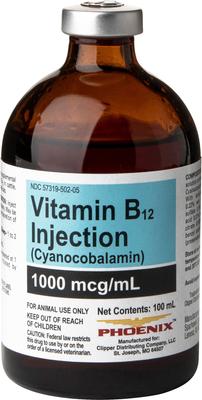
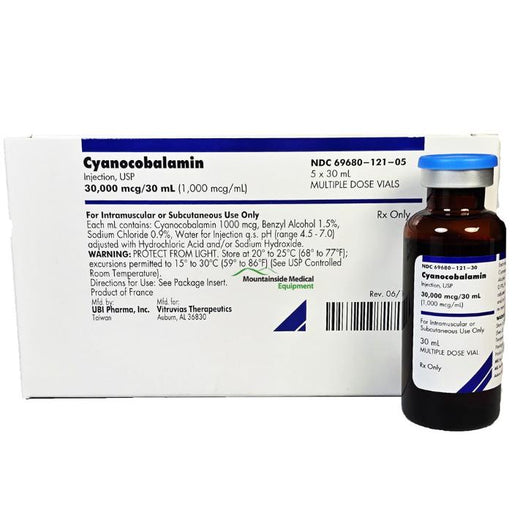
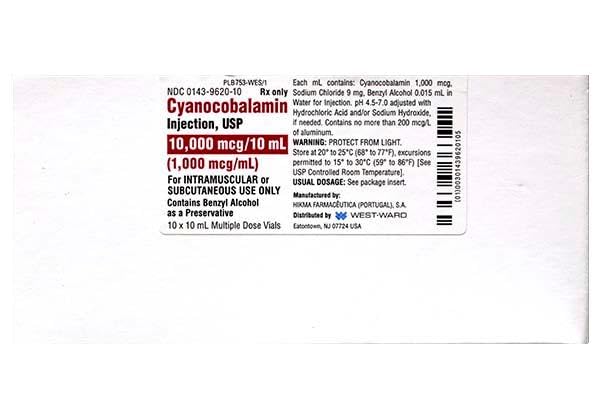
#20 as for treats, Catcat is going bonkers for bonito curls/flakes, bought at an Oriental food market -- it's smoked fish and nothing else, no carbs if Roops will eat food that is based on chicken, turkey, beef, it's helpful, there have been concerns about cats who eat a lot of tuna, and some get addicted to it and will eat nothing else -- not sure what they put in Temptations but those too seem to be addictive, my stepson's cat wants to eat nothing else -- but read the ingredients, corn rice wheat flour, all carbs, byproducts who knows what they might be -- not what you want for a diabetic cat #21 Even though the B12 you have may be marketed for horses, most likely is also sold under different packaging for cats and dogs
Ideally, it should be a combination of adenosylcobalamin and methylcobalamin, or hydroxocobalamin as this can be converted into the other two active forms of B12